Accounts Payable Best Practices for Private Equity Real Estate Firms

Financial workspace with invoices, reporting dashboard, and laptop representing accounts payable best practices for private equity real estate firms.

Key Takeaways Accounts payable processes that work for a small portfolio often become a bottleneck as transaction volume increases. A centralized AP workflow gives finance teams greater visibility into outstanding invoices and helps reduce processing delays. Strong approval procedures and disciplined internal controls help reduce operational risk before payments leave the bank account. Timely visibility … Read more


Bookkeeper vs. Outsourced CFO: Who Does What in Private Equity Real Estate?

Bookkeeper and outsourced CFO roles in private equity real estate finance

Bookkeepers focus on transactional accuracy, while outsourced CFOs provide the strategic oversight and financial leadership required to scale a private equity real estate business. Understanding the difference between these roles helps sponsors avoid common financial bottlenecks as deal complexity, investor expectations, and reporting requirements increase. Choosing the right level of financial support at each stage … Read more

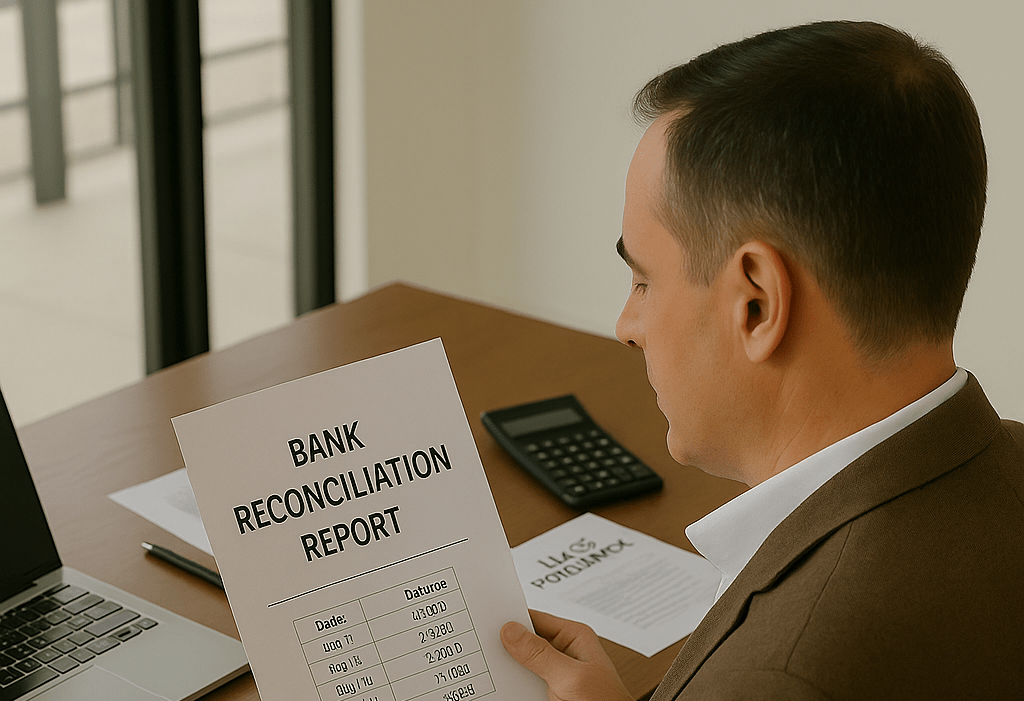
Accounting Controls for CRE Sponsors: How to Identify Missed Tenant Payments

Key Takeaways Payments from tenants fail to settle or are processed incorrectly from time to time, and this can cause significant issues for sponsors and property managers. Commercial real estate sponsors can use two controls to prevent tenant payment issues: daily oversight of tenant ledgers and month-end bank reconciliations. Tenant ledgers should be monitored by … Read more